CosmoMaker Studio One sentence in. A finished episode out.
Type an idea. CosmoMaker’s crew of AI agents writes the script, casts every face and voice, plans the shots, films every scene and cuts the episode. No photos, no voice recordings, no storyboard: there is nothing to upload.
Input · your storyOn her last fare of the night, a cab driver realizes her passenger killed her brother, and he already knows her name.
- Screenplay
- Cast & places
- Voices
- Shot plan
- Scenes written
Output · the episode
- Nothing to uploadno photos, no recordings
- A few minutesfrom your idea to every scene planned
- Up to 30 minutesof video in one run
- 1080P16:9 or 9:16
What you don’t need
Skip everything but the idea.
Everything a shoot usually waits on, the crew makes from your words. You read, watch and say what to change.
- Images
- Audio
- Music
- Voices
- Scripts & documents
- Shot lists
The crew makes all of it from your words.
A writerThe screenwriter drafts it from your sentence.Casting calls and headshotsA face for every character.Location scoutingA look for every place.Voice actorsA voice for everyone who speaks.A storyboard artistThe director plans every shot.A camera crewEvery scene filmed, with its sound and its lines.A day of reshootsReshoot one scene, not the whole episode.An editorCuts, colour, captions and music, free to rebuild.
How it works
You type. You read. You press Shoot.
- 01
Type your idea
One sentence is enough: a twist, a genre, who it’s for. Or paste a script, or just say who it’s for and pick one of two pitches.
- 02
Read what the crew made
First the screenplay, then every scene: who is in it, what they wear, its shots. Change anything by saying so.
- 03
Press Shoot
Every scene is filmed with its sound and its lines. You see the price first, and can test a couple of scenes before the rest.
- 04
Download the episode
Every take is checked, each scene’s best version is put together, and you get one MP4.
A vertical crime thriller: on her last fare of the night, a cab driver realizes her passenger killed her brother, and he already knows her name.
 Lena
 Victor
 Rosa
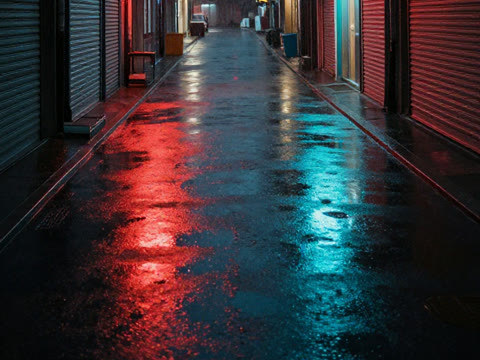 the street
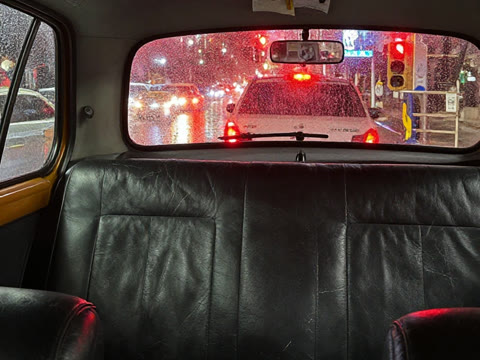 the cab
Resolution & speed
Three resolutions. Draft fast, finish sharp.
Draft at 480P: a minute of video takes less than a minute. Publish at 720P: about 2 seconds of waiting per second of video. Finish at 1080P for the sharpest picture: about 4 seconds per second.
Measured on our production renderer, across the two cards a render spreads over. Time in the queue is not counted.
| 480P | 720P | 1080P | |
|---|---|---|---|
| Canvas | 832 × 480 | 1280 × 736 | 1920 × 1088 |
| Shapes | 16:9 · 9:16 | 16:9 · 9:16 | 16:9 · 9:16 |
| Speed | Faster than real time | About 2 s per second of video | About 4 s per second of video |
| Good for | Drafts and test scenes | The episode you publish | The sharpest finish |
How it’s done
Behind the button, a whole crew.
You bring an idea or a simple storyline. A crew of AI agents breaks it down the way a film set would, each doing one job with the notes it needs, and makes any face, place or voice you didn’t bring. You only talk to one of them, the director. It runs the rest.
Director
Your one point of contact. It takes your idea, runs the crew, plans each scene’s shots (the framing, the angle, the camera move, where to cut to catch a reaction) and changes anything you ask for, in your own words.
Screenwriter
Turns a sentence into a screenplay that opens inside the conflict, turns every scene and ends on a hook. No idea yet? Say who it’s for and it pitches two.
Assistant director
Breaks the script into scenes and keeps continuity: who is where, what they wear, what’s still in play, and how each scene ends.
Casting
A face for every character, a look for every place and a voice for everyone who speaks, unless you bring your own.
Cinematographer
Writes every scene for the camera from the cast’s pictures and the director’s plan, so faces and places hold from shot to shot.
Dailies reviewer
Watches and listens to every take as it lands: counts who is in the frame, checks faces and hands against the cast, hears every line.
Post-production
Puts each scene’s best take together, then cuts, colours, captions and scores the episode. Rebuilding the cut renders nothing, so it’s free.
What the crew makes
Every scene cast, planned and checked.
None of it is hidden. Open the cast to see every face and hear every voice, open a scene to read its plan, open a take to see what the dailies reviewer caught.
- Lenathe driver · low, tired, steady
- Victorthe last fare · soft, unhurried, too polite
- Rosathe dispatcher, on the radio · warm, raspy
the streetthe cab- Who
- Lena: at the wheel, eyes ahead · Victor: in the back seat, behind her on the right
- Wearing
- Lena: worn black jacket, grey hoodie · Victor: dark wool coat, black leather gloves
- Still in play
- the lighter in his hand (scene 3); the photo of Danny on her visor
- Ends on
- Lena staring at the red light; Victor leaning back into the dark
- 0–4 s · close-up through the windshield, stillLena under the red light: “Where to?”
- 4–8 s · the rearview mirror, slow push-inVictor’s eyes: “You know where.”
Prefer to direct?
Every control is still here.
Hands-free doesn’t mean hands-off. Override anything the crew decides: bring your own actor’s photo or voice, rewrite a line, re-plan a shot, pin a first frame. Nothing changes until you press Use, and nothing that costs credits starts until you press Go.
Your own cast
Put in your own actor’s photo or voice clip, and the crew films from yours.
Rewrite anything
Change a line, a scene or the ending in your own words. Only that part is rewritten.
Re-plan a shot
Ask for a close-up, a slower push-in, a cut on the reaction, and the director plans it again.
First and last frame
Pin where a scene starts and where it ends. The model fills in the motion.
References
Up to nine pictures, three videos with their own sound and three audio clips a scene.
Image and video editing
Change a frame in words, follow a 15 s clip’s camera, or split a video you love into scenes.
Voices, music and effects
Clone or design a voice, twelve feeling tags, a score or a song of up to three minutes.
Cut, colour and caption
Cut, swap in a clip, pick a look, auto-caption from speech. Every take is kept.
Invite only
Your first episode is one sentence away.
We’re letting people in a few at a time while we add renderers. Join the waitlist and we’ll email you an invite, with free credits to start, when a seat opens. Making a lot each month? Say how much: volume gets a lower rate.